Assoc. Prof.Mehmet Ali Tokgöz
European Certified Foot and Ankle Surgeon (EFAS)
Evidence-based, individual treatment in ankle arthroscopy, chronic instability, cartilage injuries, hallux valgus and foot and ankle trauma.
Gazi University Faculty of Medicine
AO Trauma faculty
75 peer-reviewed papers
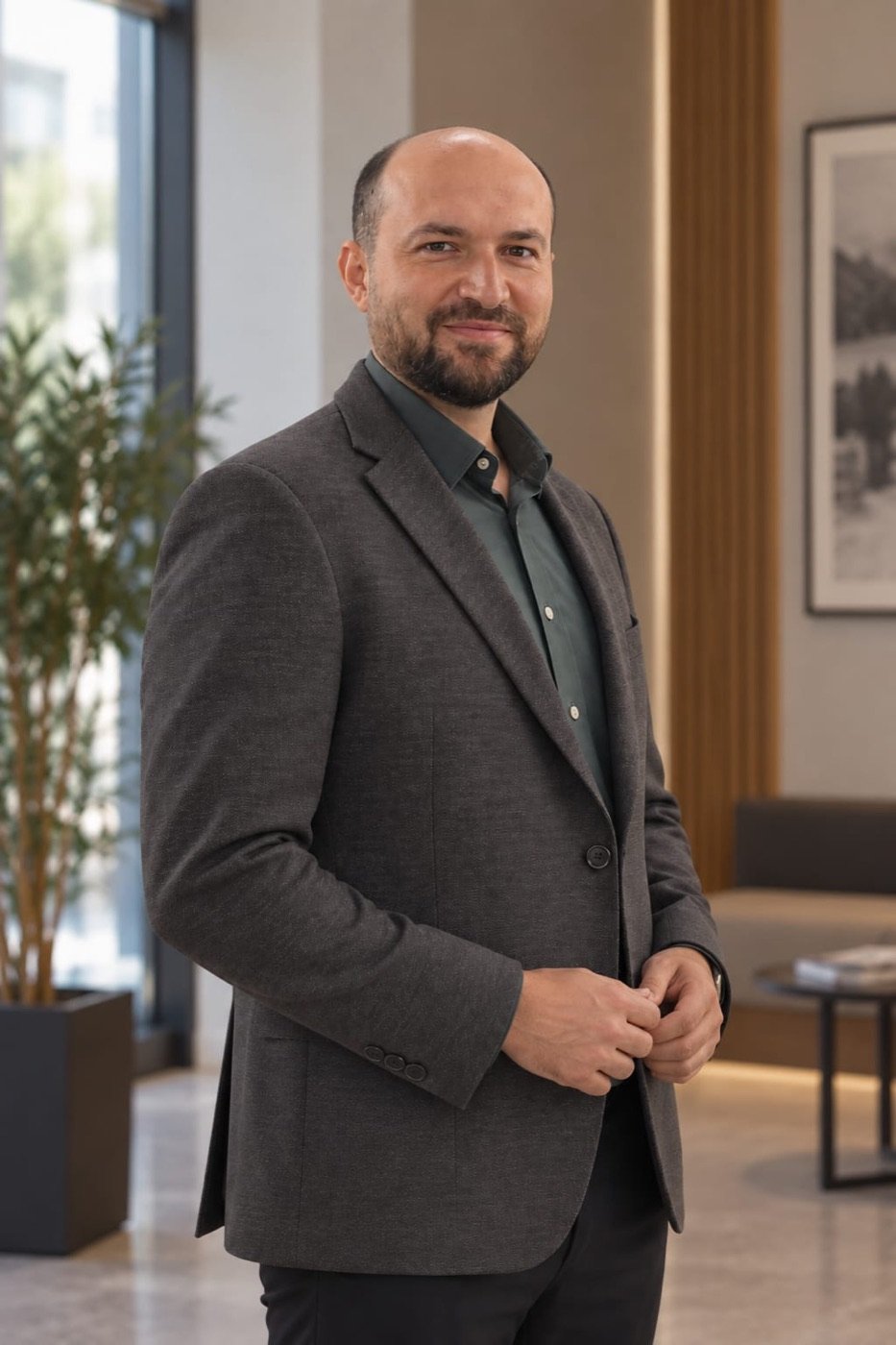
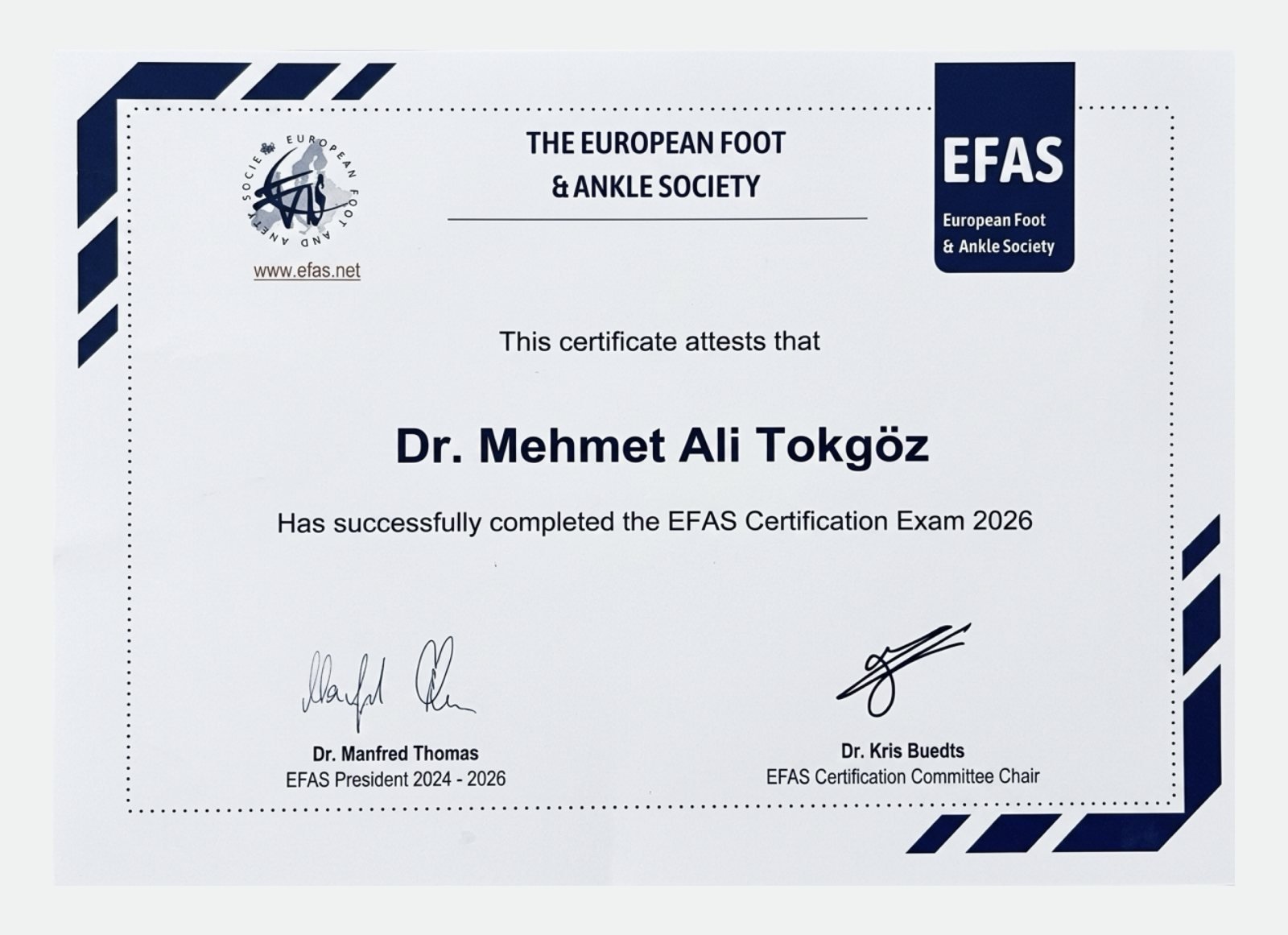
EFASEuropean Foot and Ankle Society certification, 2026
2013 →in orthopaedics & traumatology
Pl. I — Foot map
Where it hurts shows the way.
Pick the area that troubles you to see the conditions most often found there and the related pages.
Lateral view · right foot
Pl. II — Expertise
Areas of treatment
Each topic covers symptoms, diagnosis, non-surgical and surgical options, and recovery in detail.
Ankle Arthroscopy
Keyhole surgery that uses a small camera to look inside the ankle and treat impingement, loose bodies, cartilage and ligament problems.
Details →Chronic Ankle Instability
Why some ankles keep rolling and feel unreliable after a sprain, and how ligament laxity is treated.
Details →Osteochondral Lesions of the Talus
Damage to the cartilage of the talus and the bone beneath it, a common cause of deep ankle pain that will not settle.
Details →Achilles and Tendon Disorders
Diagnosis and treatment of Achilles tendinopathy and rupture, os trigonum, FHL and peroneal tendon problems.
Details →Hallux Valgus (Bunion)
A progressive, three-dimensional deformity in which the big toe drifts outwards and the first metatarsal turns inwards.
Details →Foot and Ankle Fractures
Diagnosis, surgical and non-surgical treatment and recovery for fractures of the ankle, heel and foot.
Details →Pl. III — Process
From consultation to recovery
Examination
History, gait and standing assessment.
Imaging
Weight-bearing X-rays, MRI and CT when needed.
Treatment plan
Non-surgical options first; surgery only with clear reasons.
Treatment
Arthroscopic, minimally invasive methods where possible.
Rehabilitation
Follow-up and a safe return to sport and work.
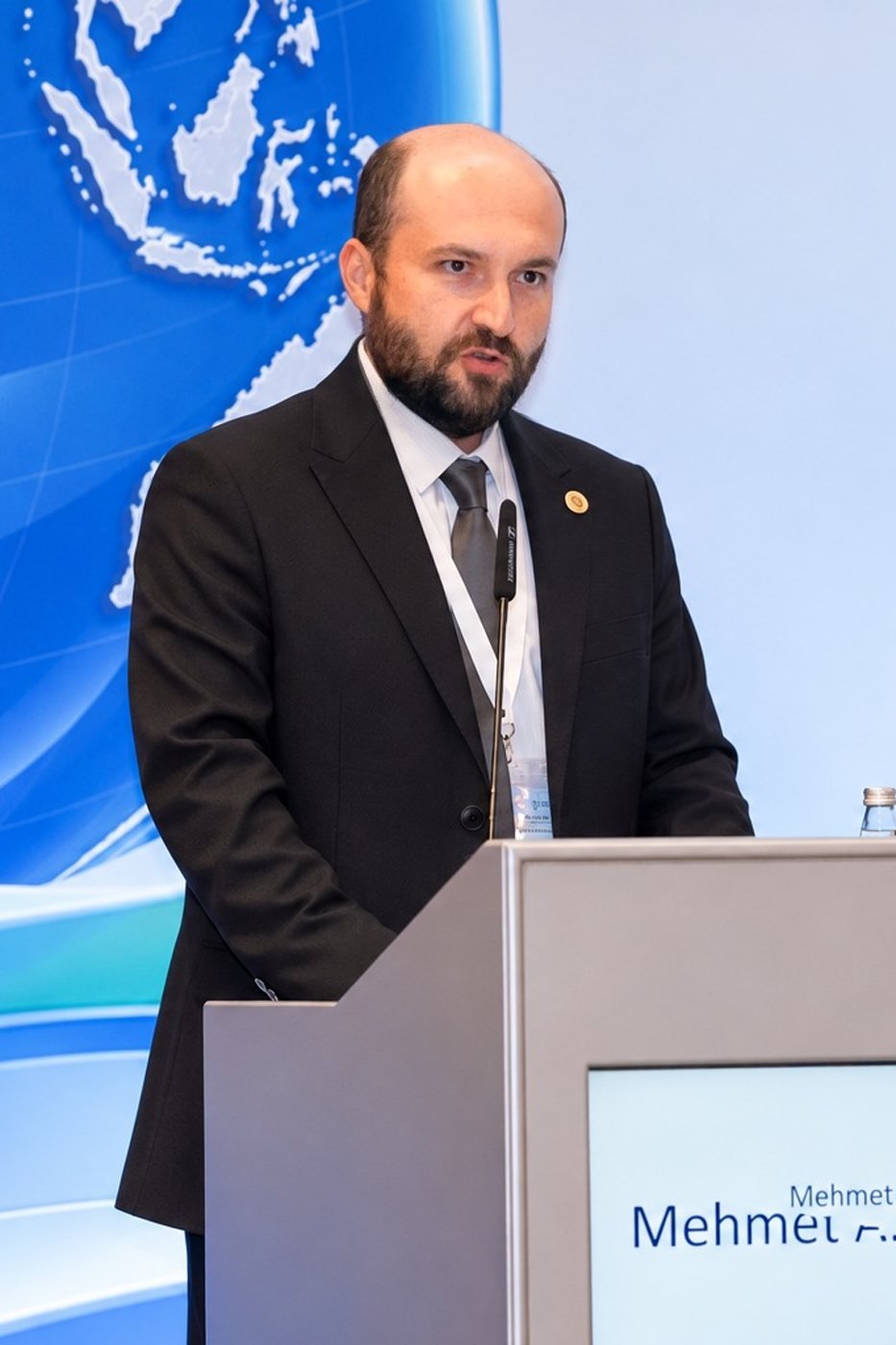
About
From Ankara to Bologna, Barcelona and Brussels.
I am a faculty member in the Department of Orthopaedics and Traumatology at Gazi University, focusing on foot and ankle surgery. I teach medical students and residents and serve as faculty on cadaveric and arthroscopy courses.
- 2024 →Associate Professor, Gazi UniversityFaculty member
- 2023University of BarcelonaVisiting academic
- 2022–2024Assistant Professor, Gazi University
- 2019–2021Keçiören Training & Research HospitalOrthopaedic surgeon
- 2017–2018Rizzoli Orthopaedic Institute, BolognaERASMUS
- 2013–2018Gazi UniversityOrthopaedic residency
- 2005–2012Ankara University School of Medicine
Memberships
EFASAO TraumaTOTBİDTOTEKTurkish Foot & Ankle Surgery Society
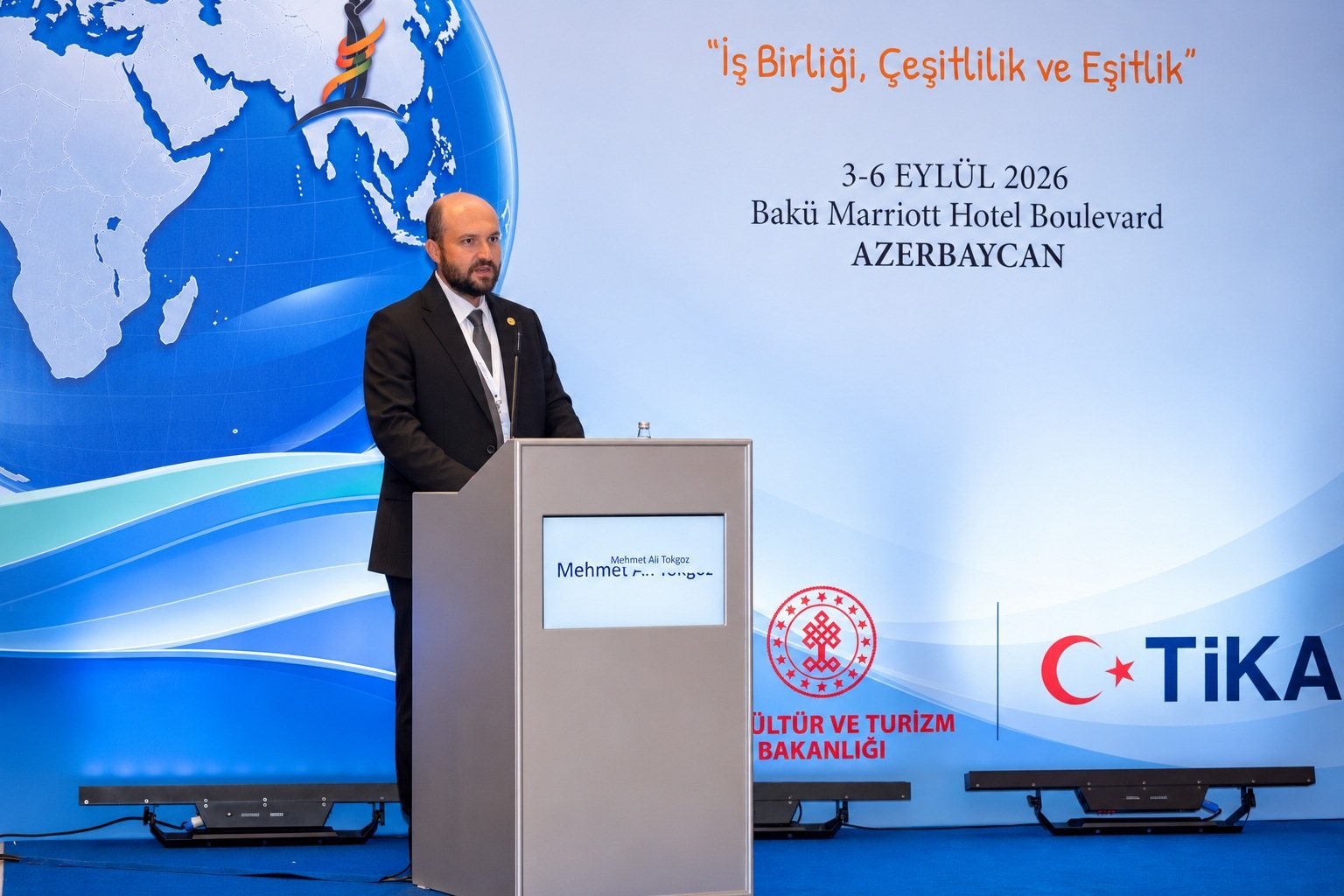
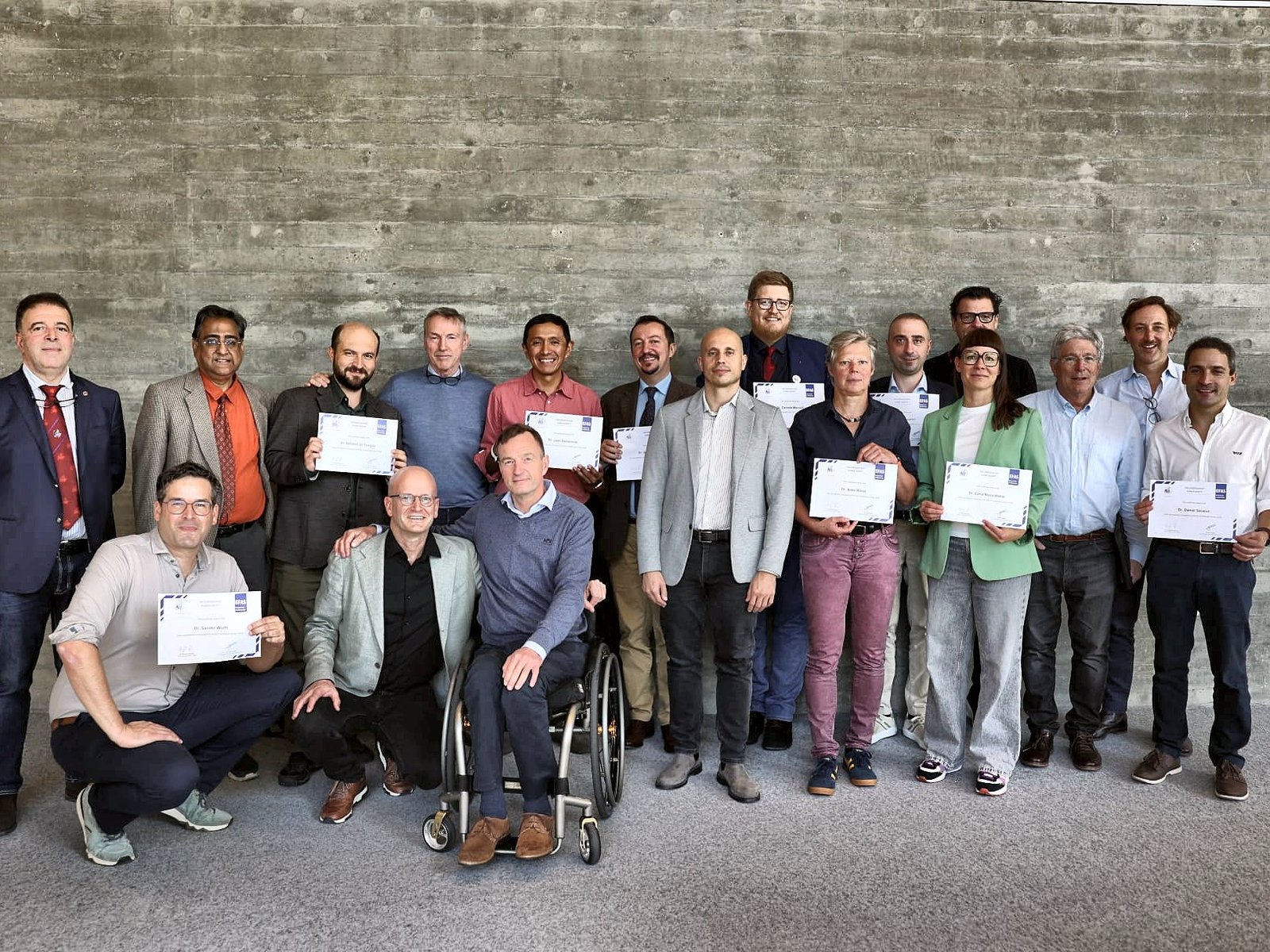
Pl. V — Congress & theatre
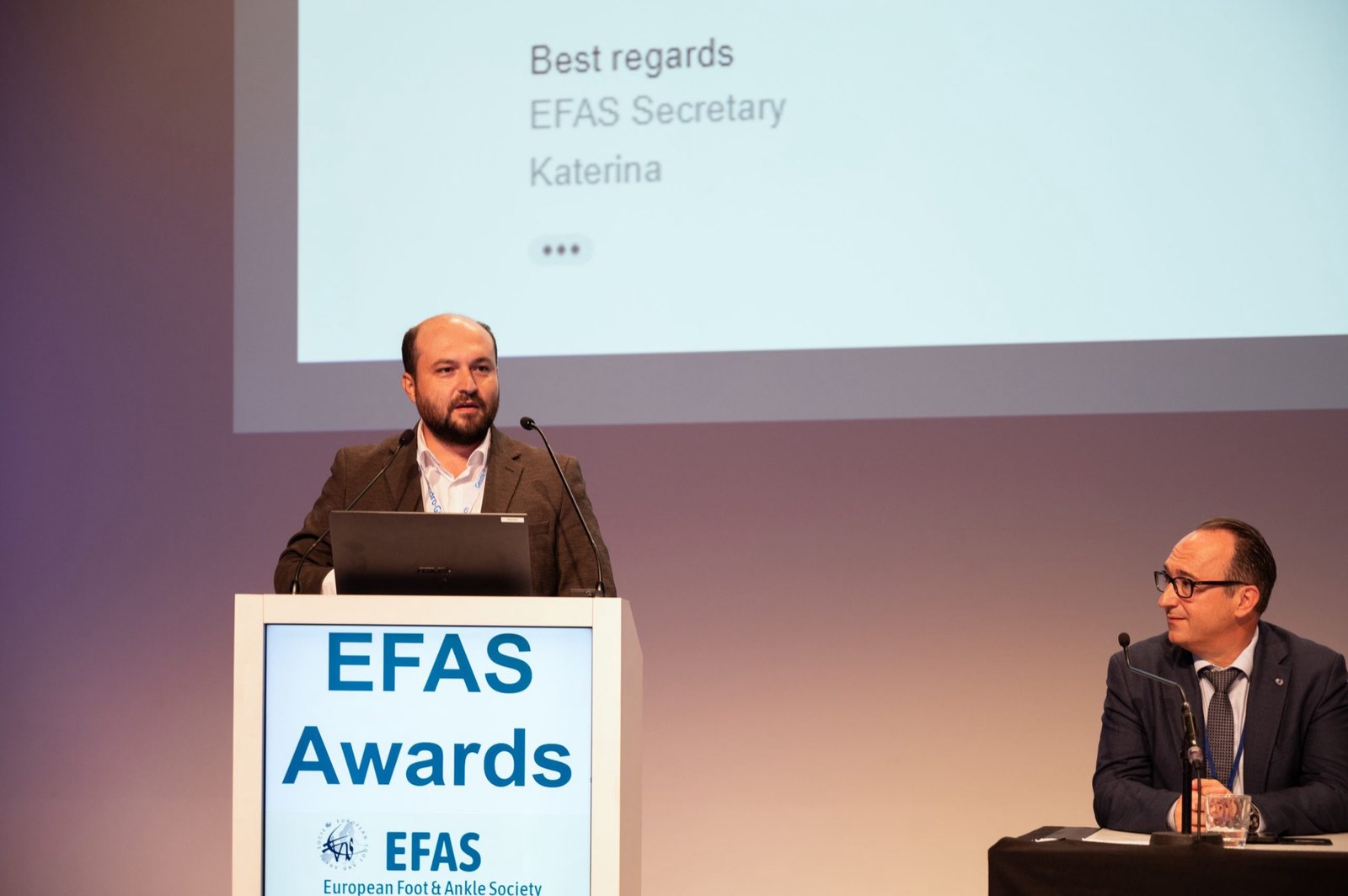
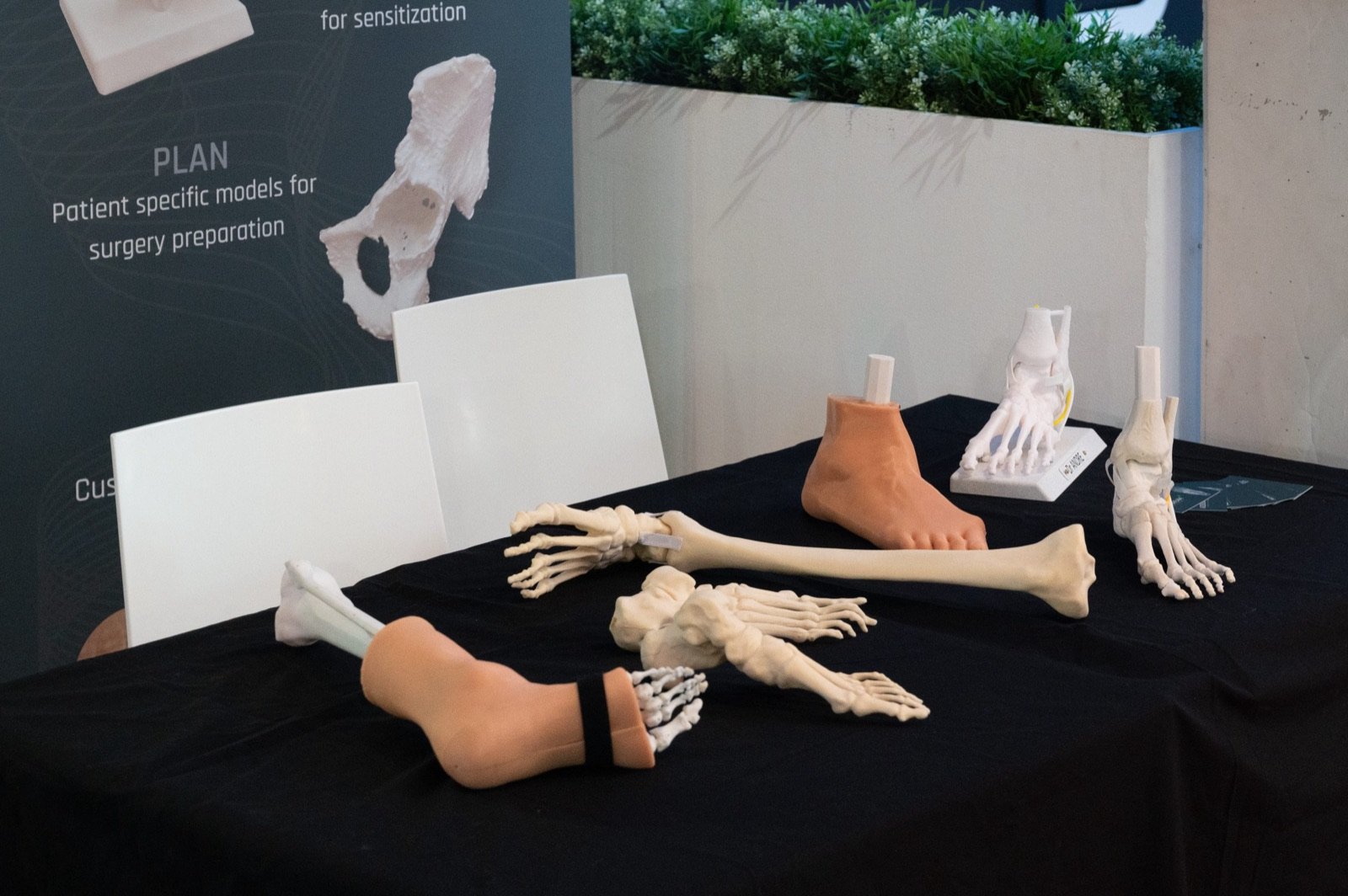
From the podium to the theatre
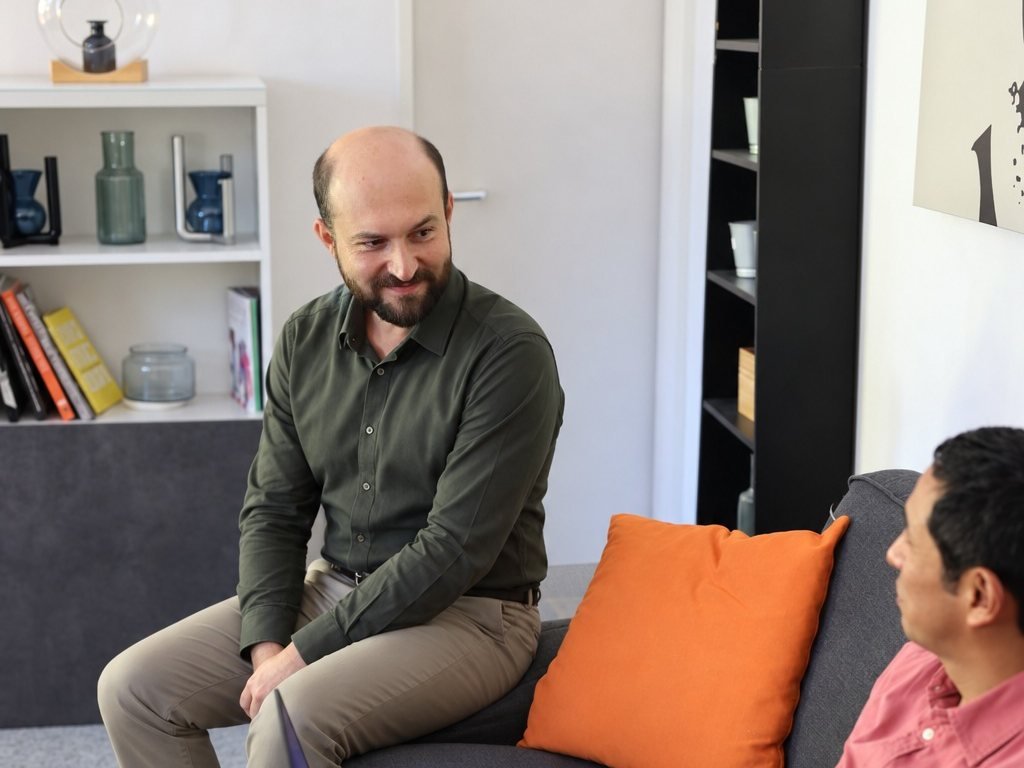
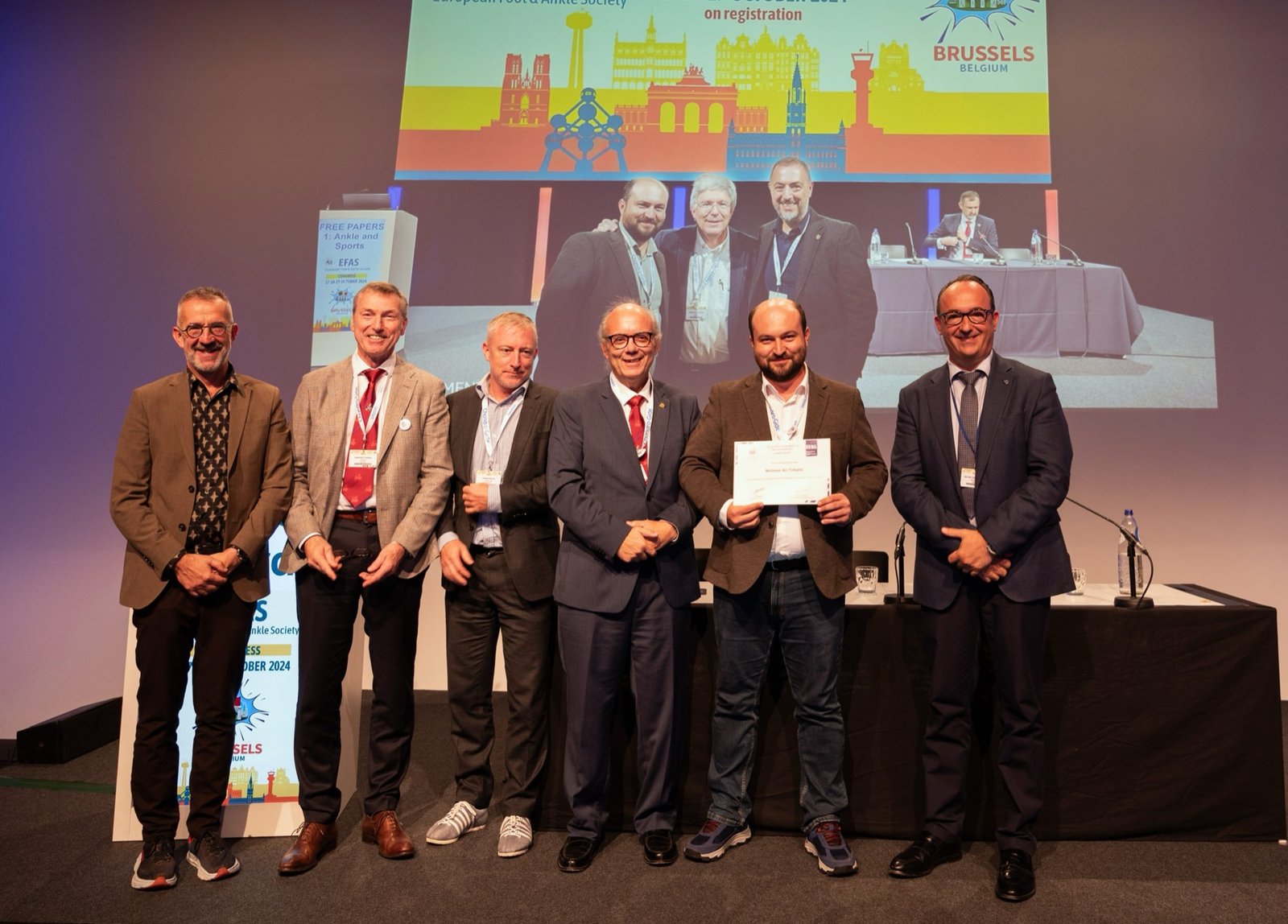
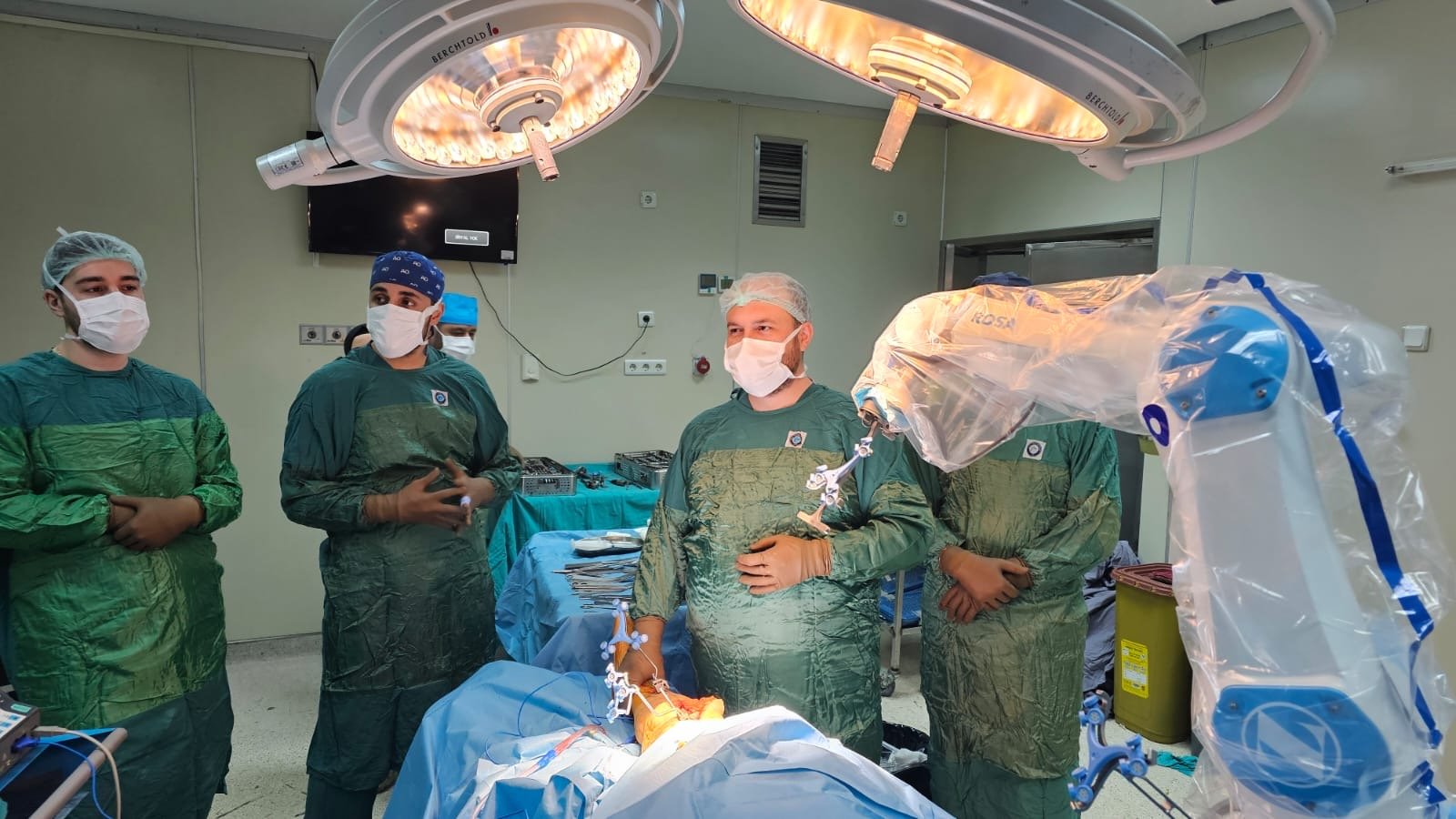

Pl. VI — Academic
Research & publications
75peer-reviewed publications
2deputy editorships
7international journals reviewed for
AOTrauma national faculty
Arthroscopic Anterior Talofibular Ligament Repair Without Anchors for Chronic Lateral Ankle Instability
Arthroscopy Techniques 2026 May 28:e70074
Surgical outcomes of insertional Achilles tendinopathy: A comparison of techniques with and without FHL transfer
The Journal of Foot & Ankle Surgery 2026 May 19:S1067-2516(26)00142-0
The role of prenatal testosterone-estrogen balance in the development of Os trigonum: A comparative matched-pair analysis
Early Human Development 2025;204:106250
Comparison of balance and function in the long term after all-arthroscopic ATFL repair surgery
Archives of Orthopaedic and Trauma Surgery 2023;143(8):5189-5198
Is there any effect of presence and size of os trigonum on flexor hallucis longus tendon lesions?
Foot and Ankle Surgery 2020;26(4):469-472
Radiologic Evaluation of the Effect of Distal Tibiofibular Joint Anatomy on Arthroscopically Proven Ankle Instability
Foot & Ankle International 2020;41(2):223-228
Distal oblique metatarsal osteotomy technique in hallux valgus deformity: Clinical and radiological results
Joint Diseases and Related Surgery 2020;31(1):88-94
ORCID 0000-0002-4056-3743 · WoS AAG-6739-2019
Full list of 75 publications →
Pl. VIII — Questions
Frequently asked questions
How do I book an appointment?
Appointments are booked on the Gazi Hospital e-appointment system (randevu.gazi.edu.tr). Weekly slots open every Friday morning.
What should I bring?
Bring any X-ray, MRI or CT images and reports, a list of your medicines, and the shoes you wear most often.
Does every foot problem need surgery?
No. Many foot and ankle problems can be managed without surgery through exercise, footwear and insoles, and physiotherapy. Surgery is considered when these are not enough.
When is an ankle sprain serious?
See an orthopaedic surgeon if you cannot bear weight, there is visible deformity, pain persists for weeks, or the ankle keeps giving way.
Pl. IX — Visit
How to book
- Wait for Friday morningWeekly slots open every Friday morning.
- Use Gazi e-appointmentChoose Orthopaedics & Traumatology, then select your surgeon.
- Bring your imagingBring X-rays, MRI scans and previous reports.
Directions ↗
- Address
- Gazi University Hospital, Block C, 5th floor, Department of Orthopaedics & Traumatology. Emniyet Mah., Mevlana Bulvarı No:29, 06560 Yenimahalle / Ankara
- Getting here
- Short walk from Ankaray Bahçelievler station; Ankaray from the bus terminal (AŞTİ) and railway station; BELKOAir and EGO buses from Esenboğa Airport.